
Sauna vs Hot Tub: Which is Right for You?
Sauna vs Hot Tub
Find Your Perfect Way to Recover


Saunas and hot tubs have long been staples of recovery routines for both athletes and non-athletes alike. When the body is exposed to heat, vasodilation occurs—the widening of blood vessels—which increases blood flow throughout the body. As circulation improves, oxygen and nutrients are delivered more efficiently to tissues, supporting recovery, muscle repair, and overall function.
So, which one is better: a sauna or a hot tub? Should you stick to just one, or is there an added benefit in incorporating both into your routine?
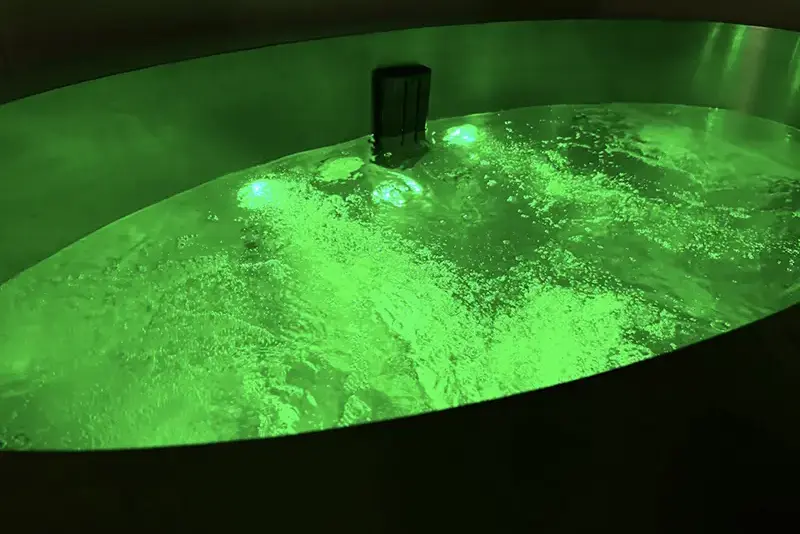
Hot Water Immersion
Hydrotherapy is the therapeutic use of water to relieve symptoms such as joint and muscle pain. One common form is hot water immersion (HWI), such as soaking in a hot tub. When the body is submerged, water exerts an upward force known as buoyancy, counteracting gravity and reducing weight-bearing stress on the joints. This decreases mechanical pressure and allows for freer, more comfortable movement. By unloading the joints, HWI can lower the risk of strain during gentle activity or rehabilitation exercises.
Beyond buoyancy, warm water helps relax muscles, reduce stiffness, and promote circulation. Together, these effects ease discomfort and improve mobility. Hydrotherapy is beneficial for nearly anyone, but it is especially helpful for individuals experiencing joint pain, muscle tightness, stiffness, or limited range of motion. Research has shown that hot water immersion can provide short-term improvements in pain, mobility, and overall function in individuals with osteoarthritis.
Hot water immersion is also highly effective at raising core body temperature. Because heat cannot dissipate as efficiently in water as it does through sweat evaporation in air, core temperature rises steadily. As circulation increases, oxygen-rich blood is delivered throughout the body, supporting muscle repair, bone health, immune function, and other vital processes. Over time, regular HWI may also contribute to improved cardiovascular efficiency and temporary reductions in blood pressure.
Sauna
Like hot tubs, saunas expose the body to heat and stimulate circulation. However, because the body is not submerged, it relies heavily on sweating and increased skin blood flow to regulate rising core temperature. As more blood is directed toward the skin to release heat, central blood volume decreases. To maintain blood pressure and adequate circulation to vital organs, the heart must beat faster and work harder. This is why heart rate often rises more quickly and reaches higher levels in a sauna.
This elevated cardiac demand is what makes sauna use comparable to light-to-moderate cardiovascular exercise. Regular sauna sessions have been associated with improvements in vascular flexibility, cardiovascular resilience, and overall heart health.
As circulation increases during sauna use, oxygenated blood reaches muscles and connective tissues, delivering nutrients that support tissue repair and recovery.

Best of Both Worlds
Saunas and hot tubs offer many overlapping benefits, including reduced muscle and joint stiffness, improved circulation, enhanced recovery, and an overall calming effect on the body. However, each modality has its strengths.
Hot tubs are particularly beneficial for those seeking relief from joint pain, muscle tightness, acute soreness, and limited range of motion. The buoyancy of water makes them ideal for rehabilitation and gentle cardiovascular conditioning.
Saunas, on the other hand, are especially effective for building cardiovascular resilience, improving vascular flexibility, and stimulating circulation through a more intense heat response. They are well-suited for individuals looking to enhance heart health, improve endurance, and support systemic recovery.
At YCB, we’re here to support you throughout your wellness journey — which is why we offer three saunas and a hot tub! Why choose one when you can experience both? Incorporating these two modalities into a single circuit allows you to maximize the benefits of each for a comprehensive, well-rounded recovery experience. Sign up for a circuit and try both out!
Sources
Benefits of sauna on lung capacity and neurological function (PDF)
https://d1wqtxts1xzle7.cloudfront.net/122768100/WJARR-2022-1414-libre.pdf
Effect of hot water immersion on thermoregulation and physiology (Physiological Reports)
https://physoc.onlinelibrary.wiley.com/doi/full/10.14814/phy2.70668
Hydrotherapy review — water immersion effects on health (MDPI)
https://www.mdpi.com/1660-4601/16/7/1280
Hydrotherapy article indexed in PubMed (Rheumatology International)
https://pubmed.ncbi.nlm.nih.gov/40202605/
Hydrotherapy — water immersion and circulation (PMC free article)
https://pmc.ncbi.nlm.nih.gov/articles/PMC6676973/ ScienceDaily summary: Water immersion vs sauna heat response
https://www.sciencedaily.com/releases/2025/11/251120002611.htm
Article Written by Lauren MacComb